ScuzzBlog: Diaries May 2026
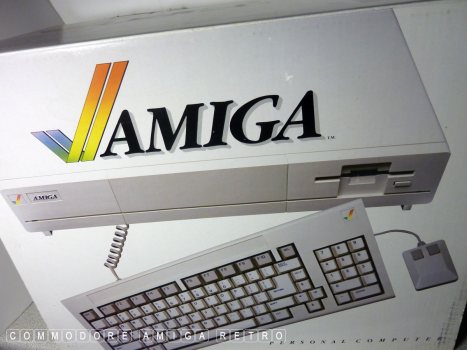
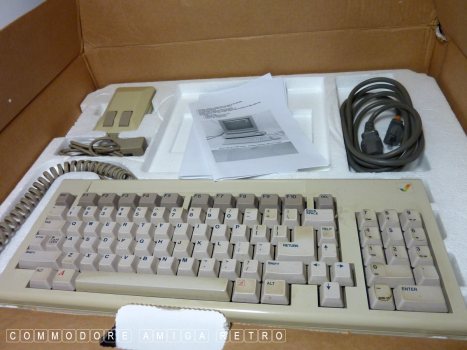
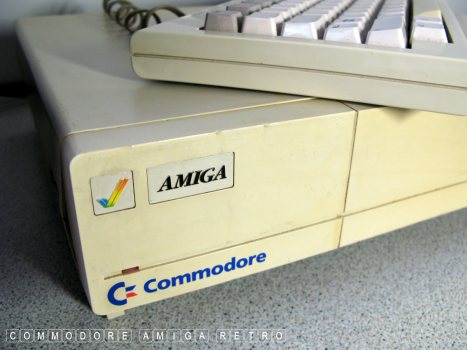
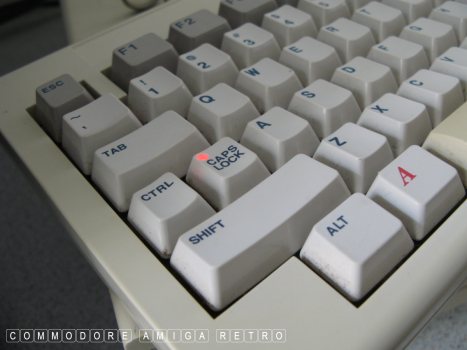
Entry 23rd May 2026: Post 1: Amiga 1000 - An odd beast.
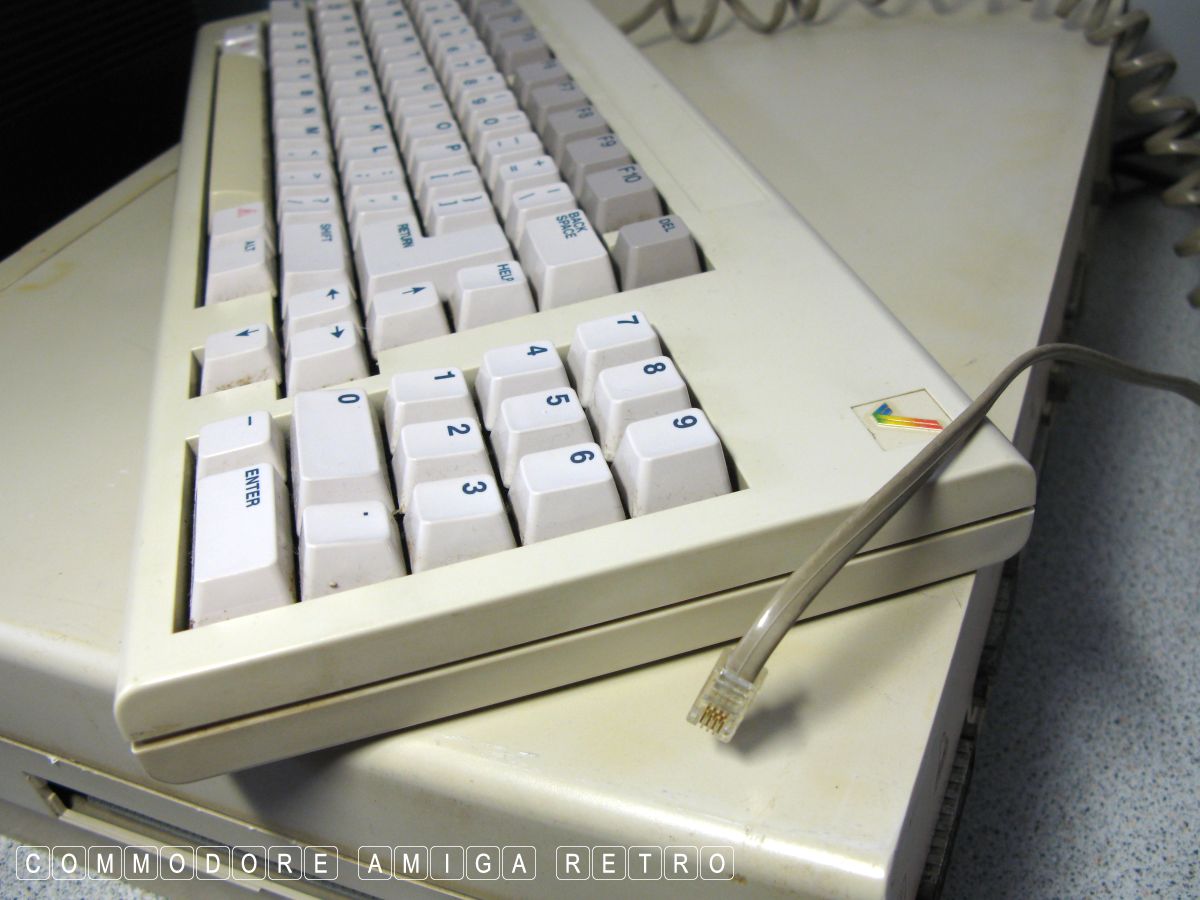
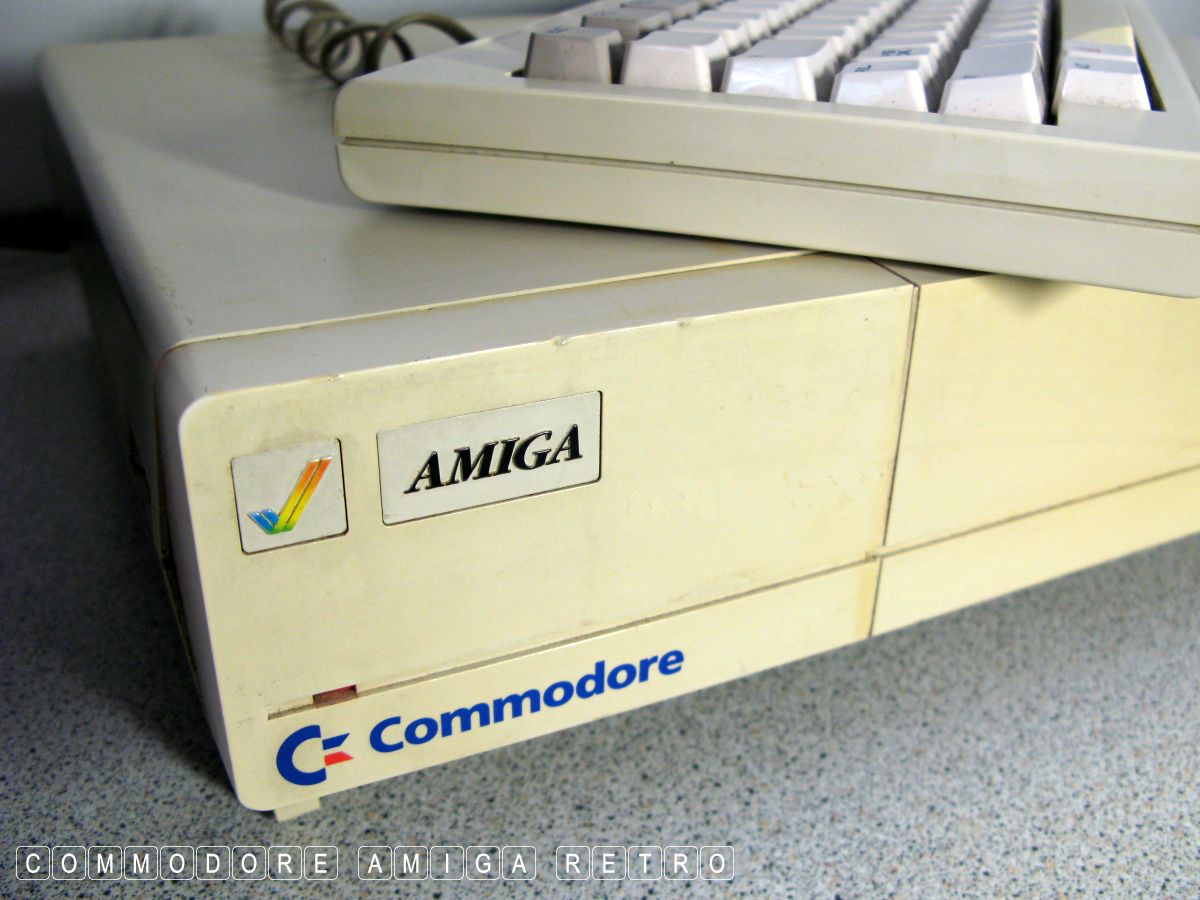
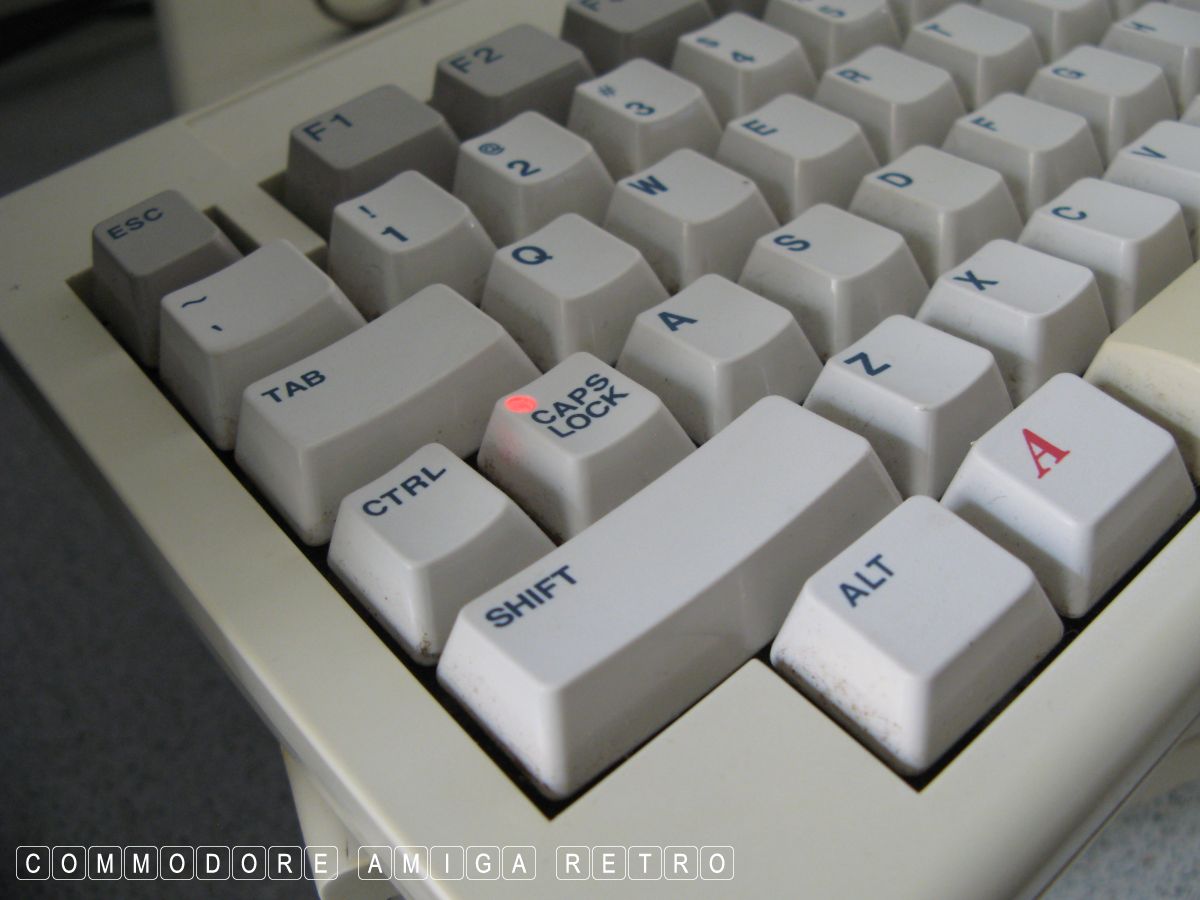
Amiga 1000 - An odd beast.
Someone raised a question the other day as to why there was so
little productivity software for the Amiga 1000. In truth this
should be no surprise given that the A1000 was a new computer to
developers and there was no guarantee of its success. The launch
of the product was a little 'touch and go' and left very little
time at the races to build any kind of software base or even a
release program for future products.

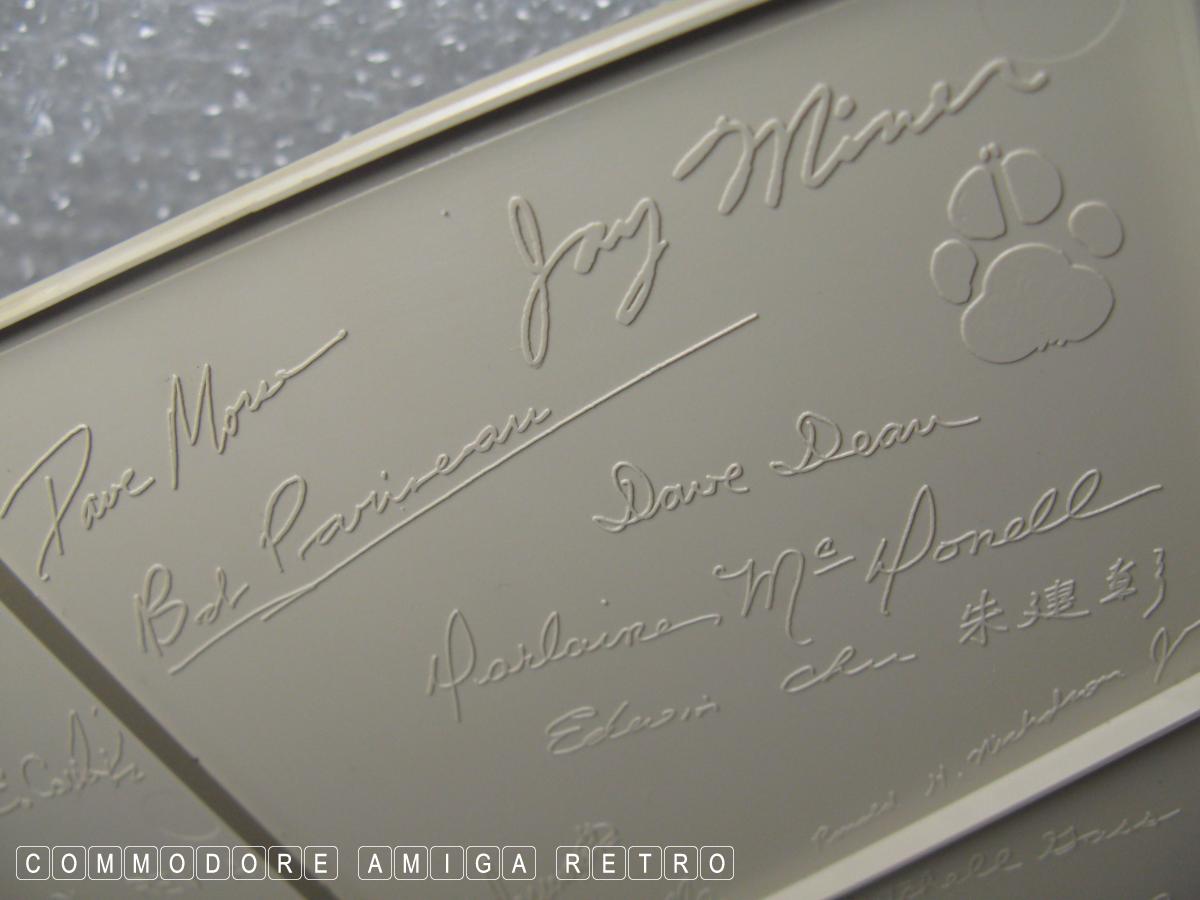
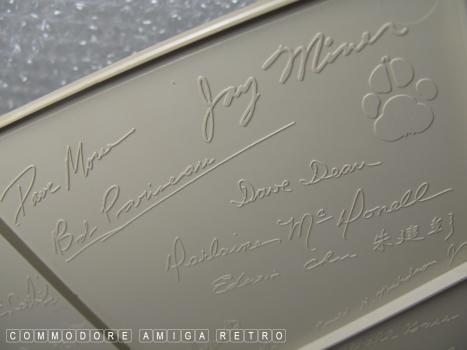
If Jay Miner was to have any influence on how software was going
to be developed for the Amiga 1000 I am sure he would have hoped
it was pitched more at the IBM/Apple market. He was certainly keen
on the Amiga doing battle as an IBM contender. Included with the
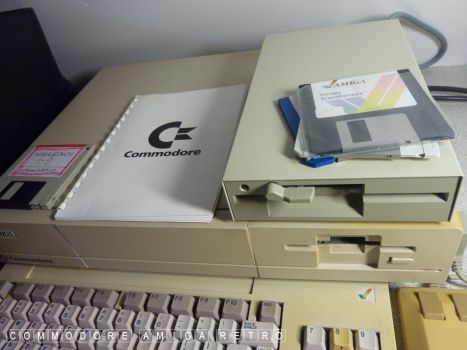
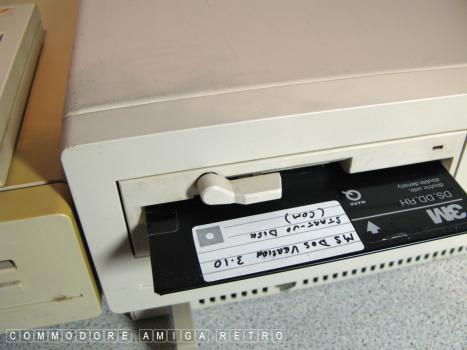
launch package was 'Transformer' a very basic DOS emulator. This
reflected a need to embrace DOS, if only to widen the portfolio of
applications with a business use. Sadly the Amiga 1000 was a little
restrictive in the way it was able to use the software, with the
emulator proving a touch basic.

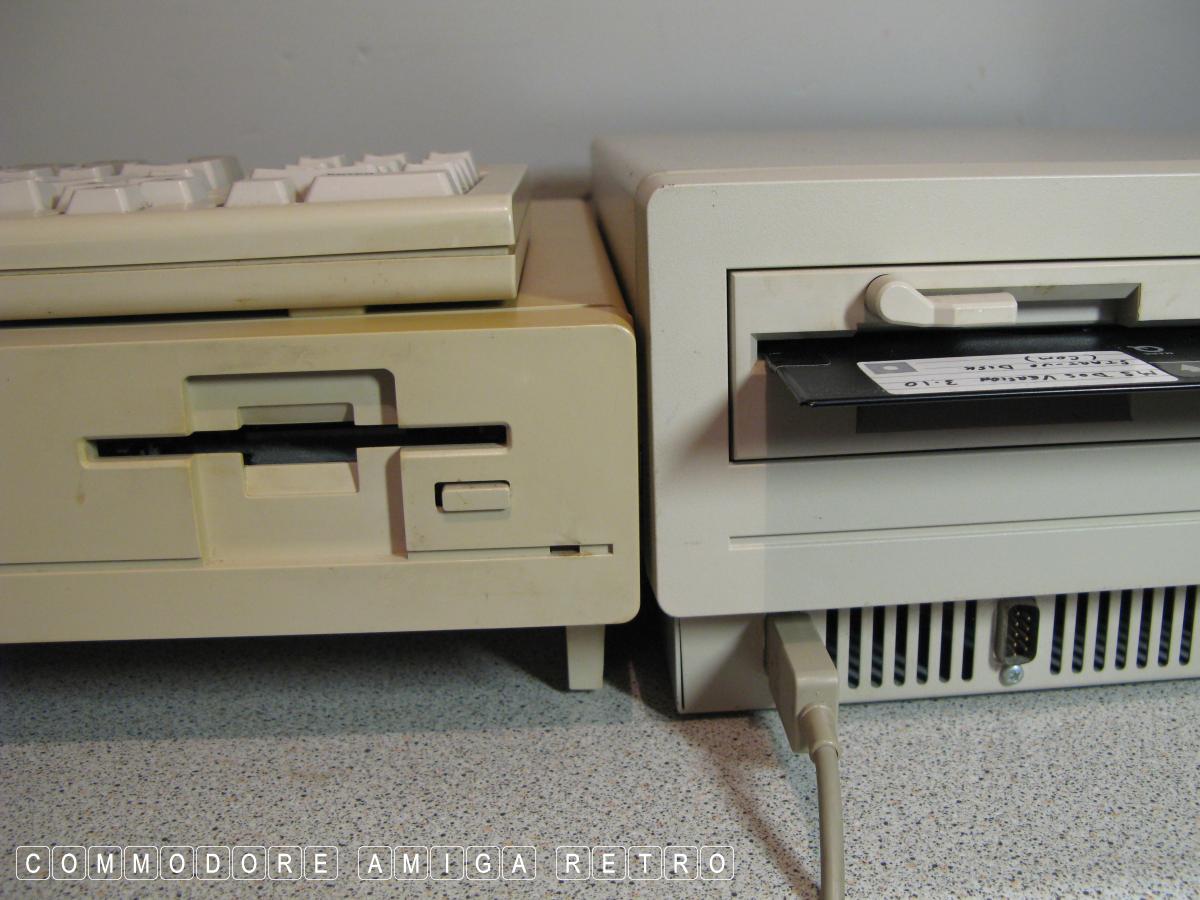
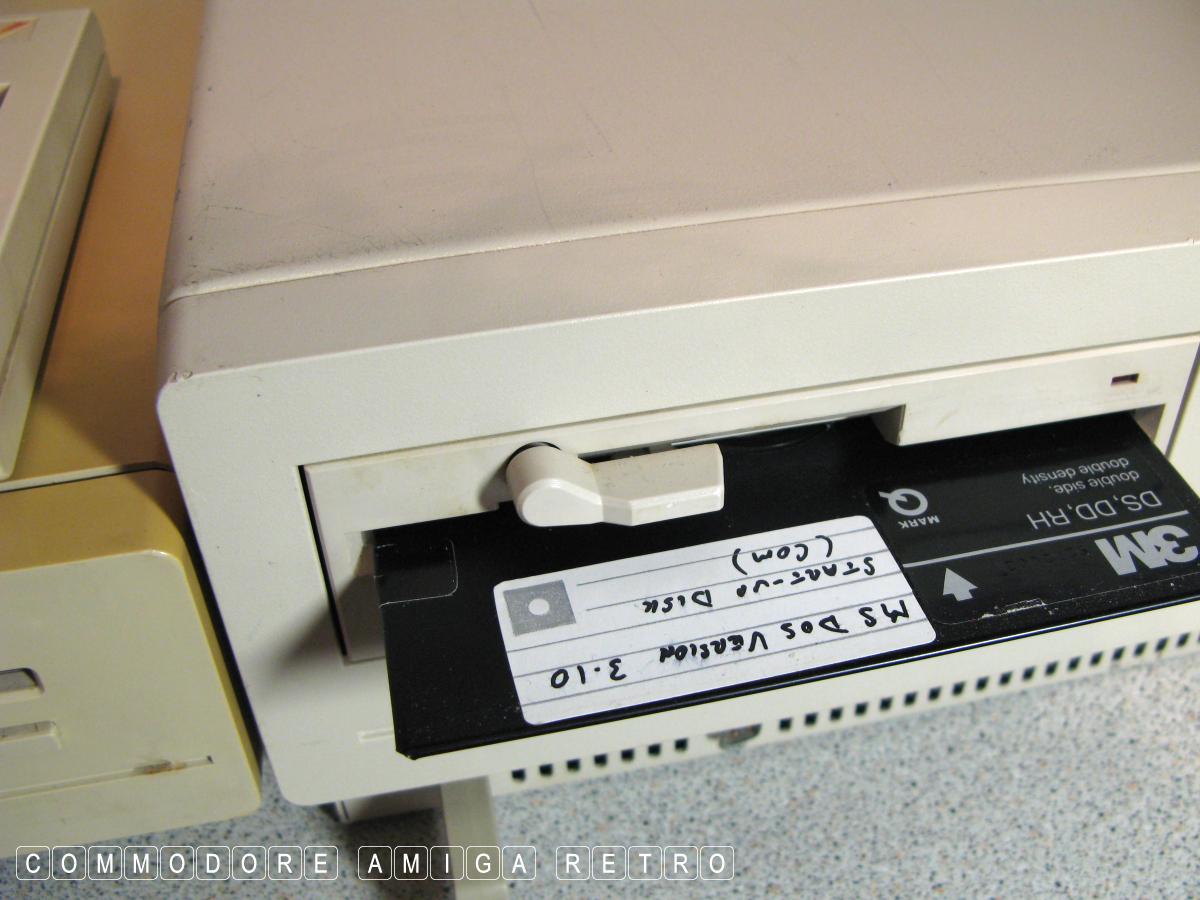
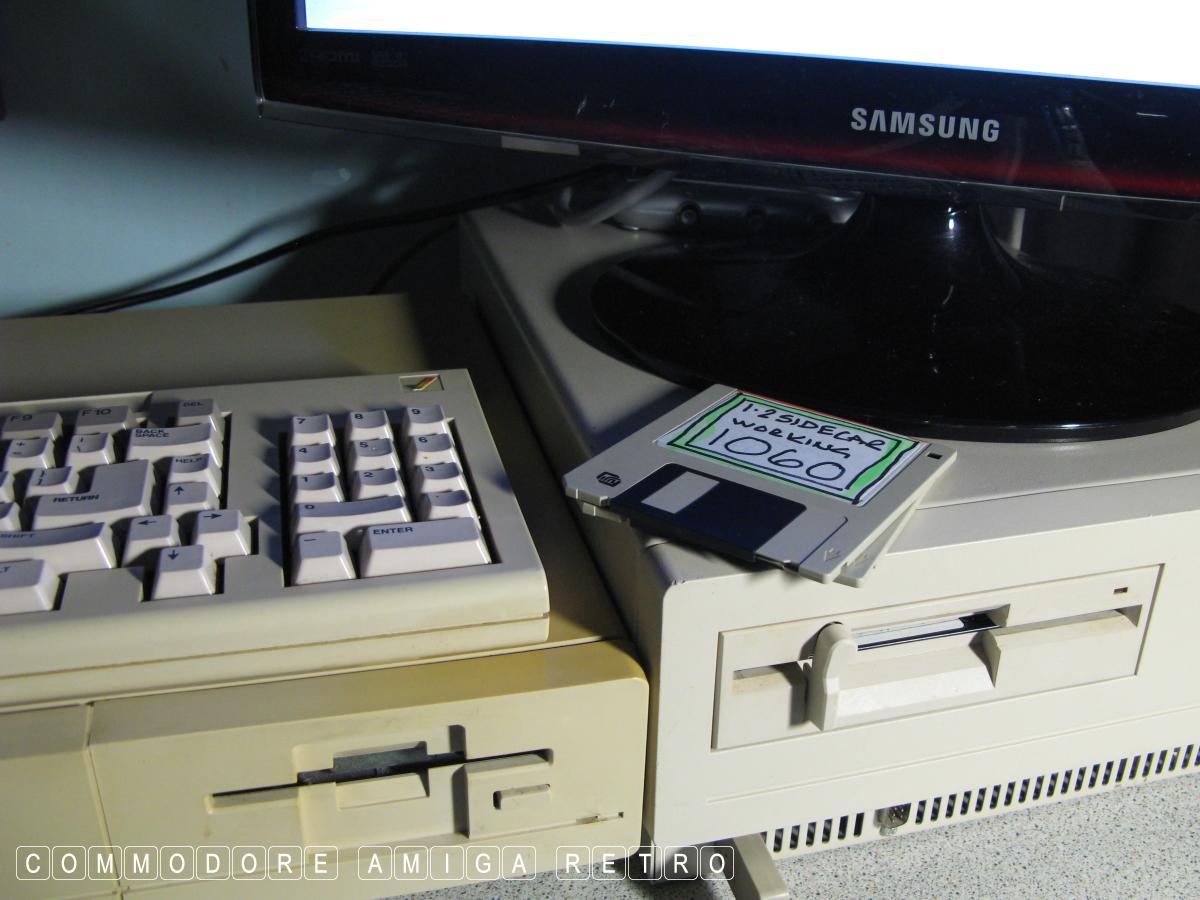
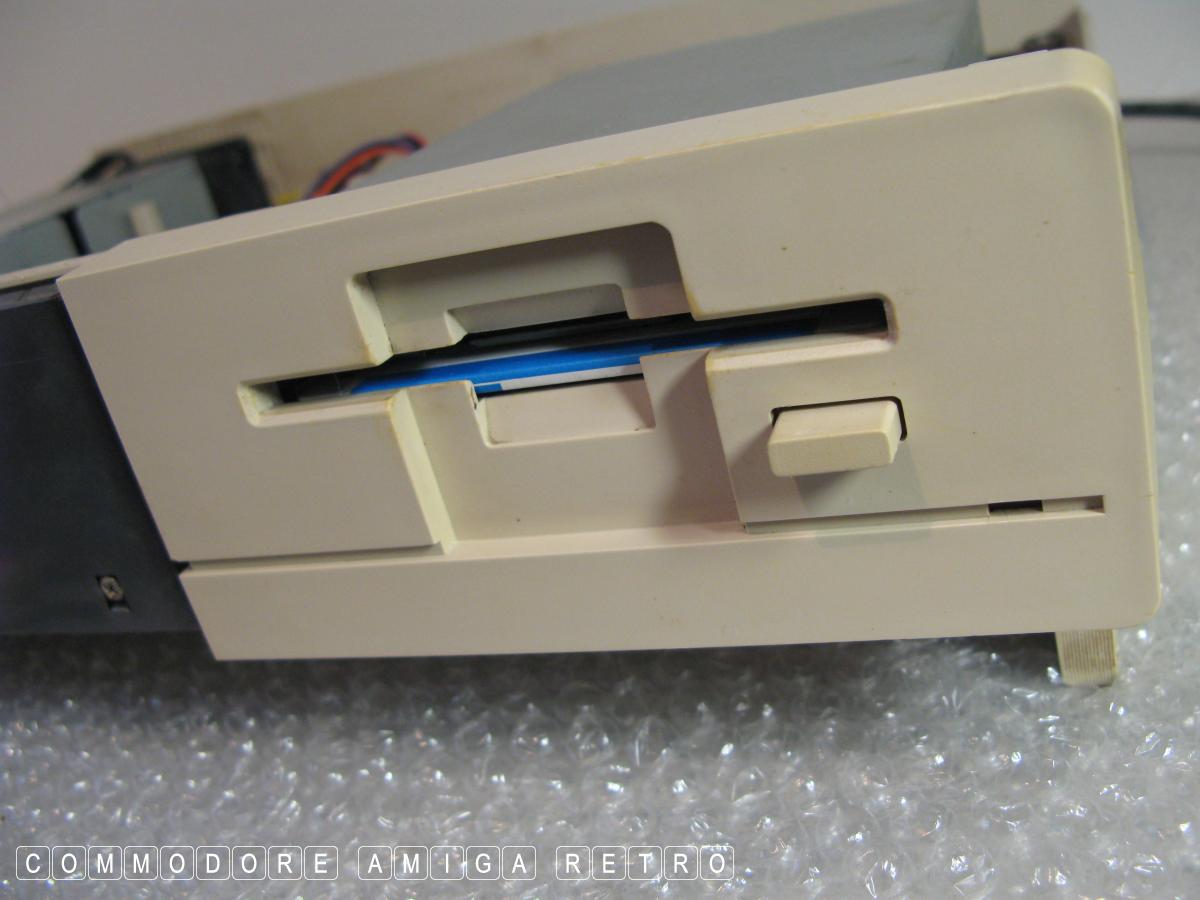
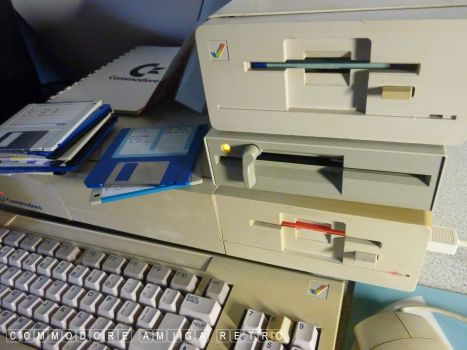
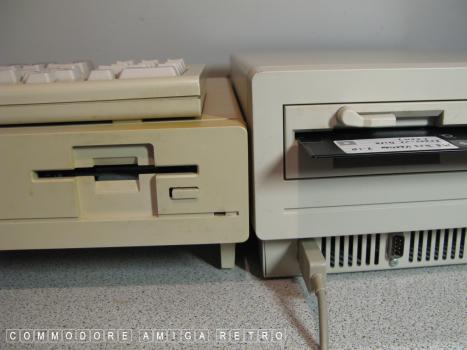
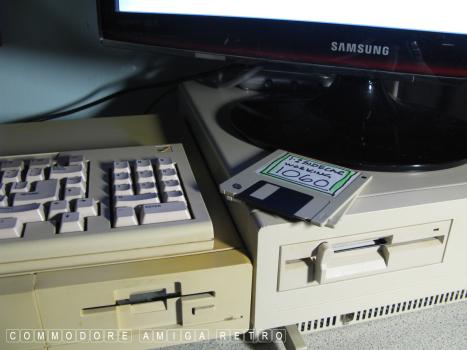
Amiga introduced the A1060 which was a dedicated sidecare complete
with 5.25" floppy drive to better service DOS and so increase the
software applications available. Sadly this still was no substitute
for actual productivity software.

Mostly the Amiga benefited from the more creative applications.
Electronic Arts with DPaint had been very supportive from the early
days and its products were often included with bundles.

The bigger problem for the A1000 was the direction it was going now
that Commodore had got its hands on the computer. Commodore was known
very much for their home computers such as the C64 and it was going
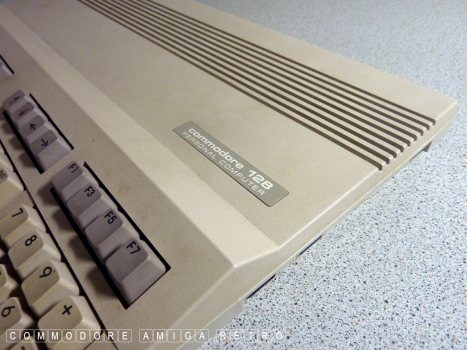
to be tricky shifting that user base over to the Amiga. The C128 was
very much entrenched in CP/M and there were numerous applications that
used the OS on the native Commodore computers. The Amiga 1000 was
built around its own OS and so to use such software would require a
remake or even a downgrade/emulation of the Amiga.

I guess what was needed, and what actually happened, was the emphasis
shifting away from DOS literacy and more toward the comfort zone
that developers had been use to with C64 applications. This lent
itself to a more simplified Amiga and more in keeping with the C64
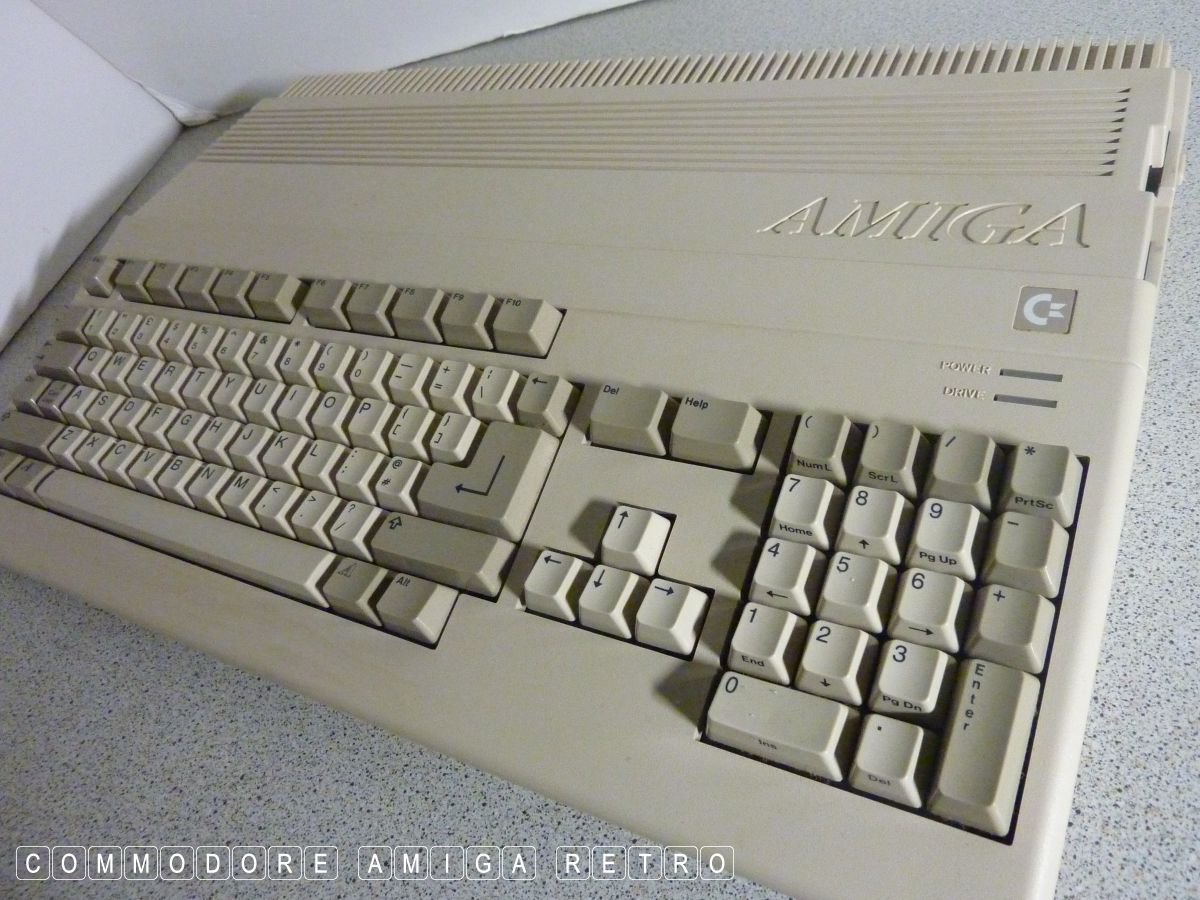
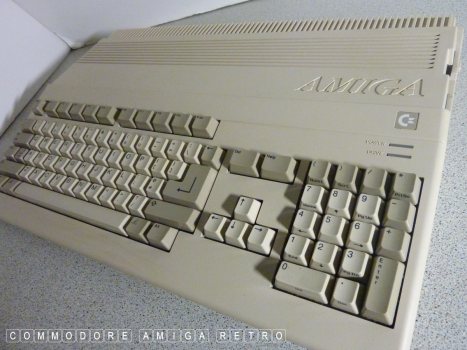
model. And so was born the Amiga 500. Although Commodore were keen
to provide the big box machines in the form of the A2000, these were
never seen as a competitor to Apple or IBM. Commodore did once have
the opportunity to expand into the business market with the PET but
that was scuppered when Jack Tramiel decided to focus all efforts
on the VIC20 to provide a computer for the masses.

And so once the Commodore team were given the task of streamlining
and refining the Amiga 1000 there really was very little point in
continuing with the form factor of that machine. Little surprise
that the originating team soon disbanded and Jay Miner left.

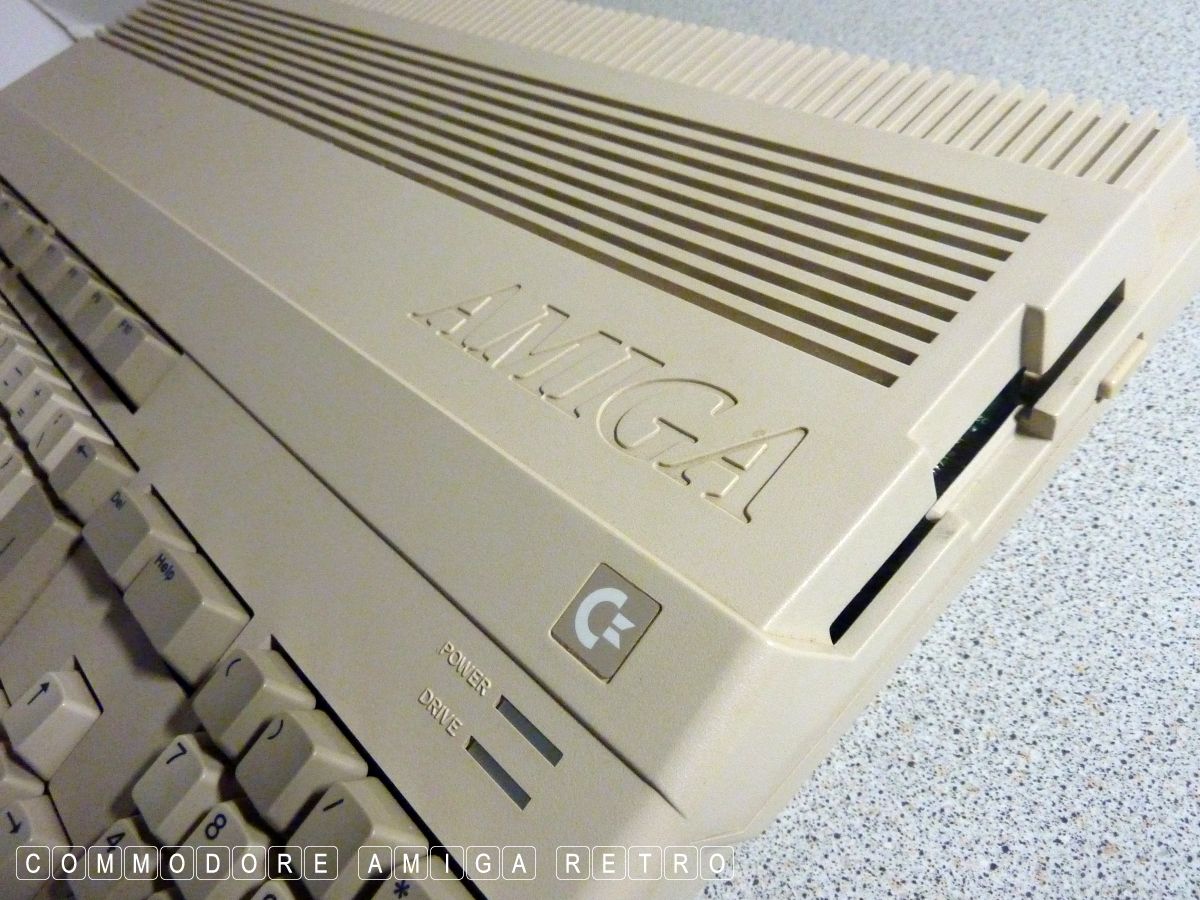
The Amiga 1000 was a standalone Amiga with its own architecture. It
gave birth to the custom chips that were to form the heart of all
future Amiga's, but it was never going to be the beginning of a
successful commercial product capable of taking on IBM. The
aspirations of the original concept were set way higher than what
was eventually to befall the platform. It moved from IBM clone to
TV family computer very quickly. The developers of software knew
what a C64 was and so developing software for the A500 was never
a challenge. Particularly as the emphasis shifted to gaming.

The A500 went on to become one of the most successful computers ever
released. It enjoyed a very popular period in the history of the
Commodore brand. Sadly the Amiga 1000 was very much a unique
computer developed by a dedicated and passionate team that simply
lost control of what they had created. They were never given the
opportunity to complete the work they had started. If only they
had had the clear blue water that Apple sailed into, then maybe we
would have seen a healthy portfolio of industry based software.

And so that is why the majority of titles for the most successful
Commodore computer were pretty exclusively games for the Amiga 500.
To this day the library of A500 games is still popular. Yet there
is hardly anything created during the Amiga 1000 era that can hold
a light to what came after. It is a truth that Commodore took the
Amiga and made it their own, which is exactly why the originating
team didn't want to sell to Atari. The legacy of Jack Tramiel was
to be Jay Miners downfall no matter which way he jumped. The A1000
was an odd beast, and still is. Love 'em or hate 'em it certainly
didn't bridge the divide between it and the A500 very well. Unless
you liked to see an A590 plugged in upside-down.

I have acquired seven Amiga 1000 machines over the years. One of
which is of US origin. I have two that I use in the big room. One
with the A1060 and the other as just a general machine. I have
never seen them as anything special and would always prefer the
A500 and A1200. For me the Amiga started with the A500 and ended
with the Amiga 1200. It is a sad truth that other than the
intellectual rights to the Amiga architecture at the time of the
machine being sold by Commodore , hardly anything of the original
machine aesthetic survives. It may have given birth to the Amiga
philosophy when it came to chip structure but the remainder was
very much an evolution with Commodore from the days of the VIC20.
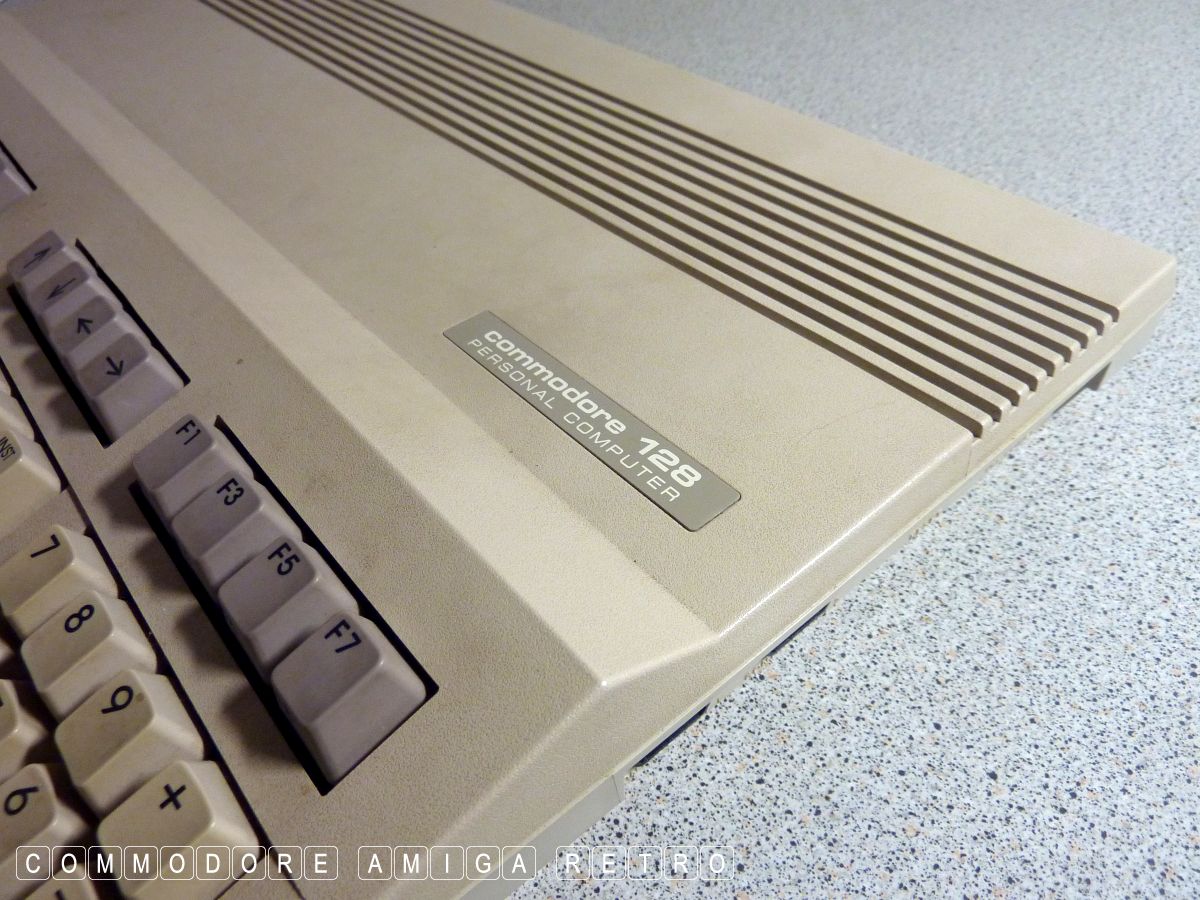
I remain bewildered why the same company was making 8-Bit C128s
when they were producing the Amiga 500.

I guess on reflection it was Commodore that was the odd beast.
Amiga 1000 - An odd beast.
August18 1602: scuzzblog: Transformer - IBM on an Amiga
August18 1701: scuzzblog: Transformer - Changing the drive order
|