ScuzzBlog: Diaries November 2026
Entry 18th November 2026: Post 1: Tandy Realistic 12-9291 - Pocket Radio.
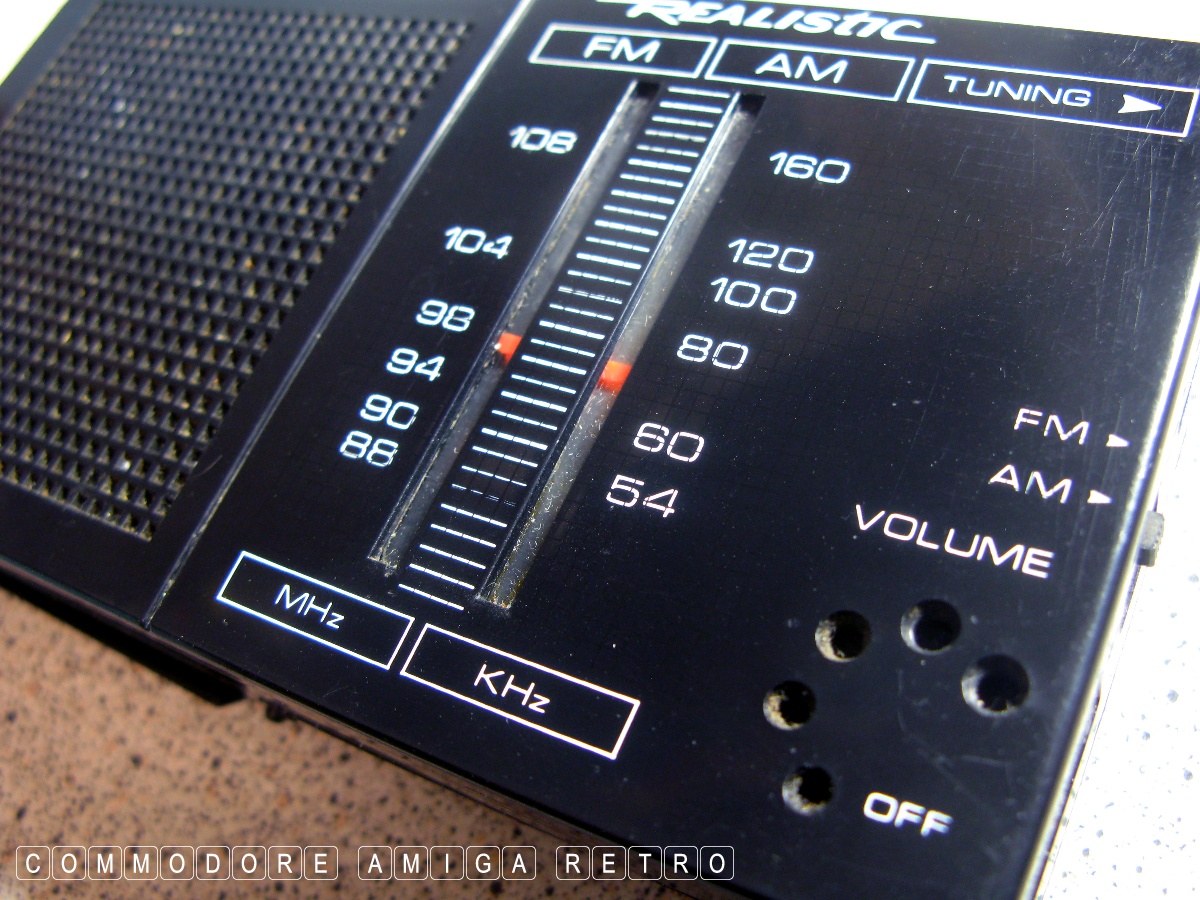
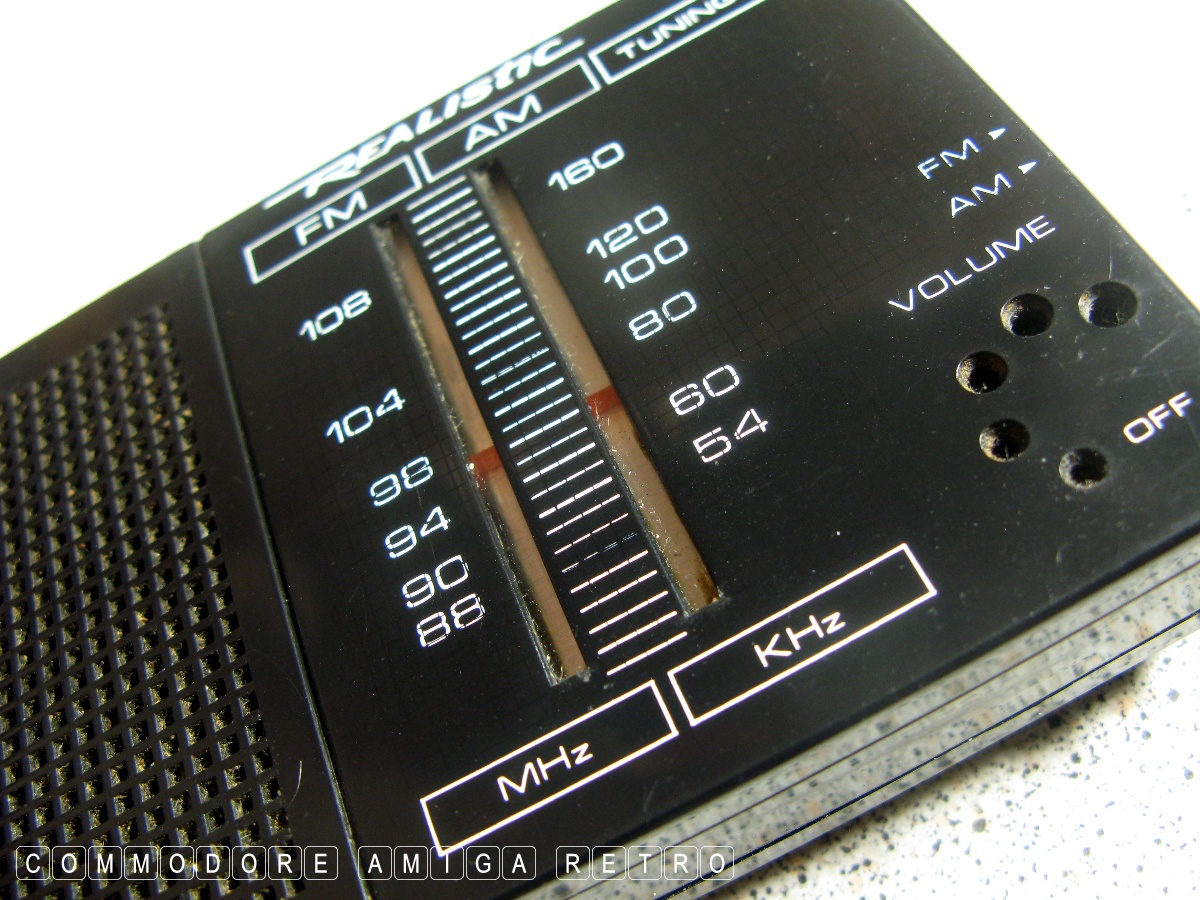
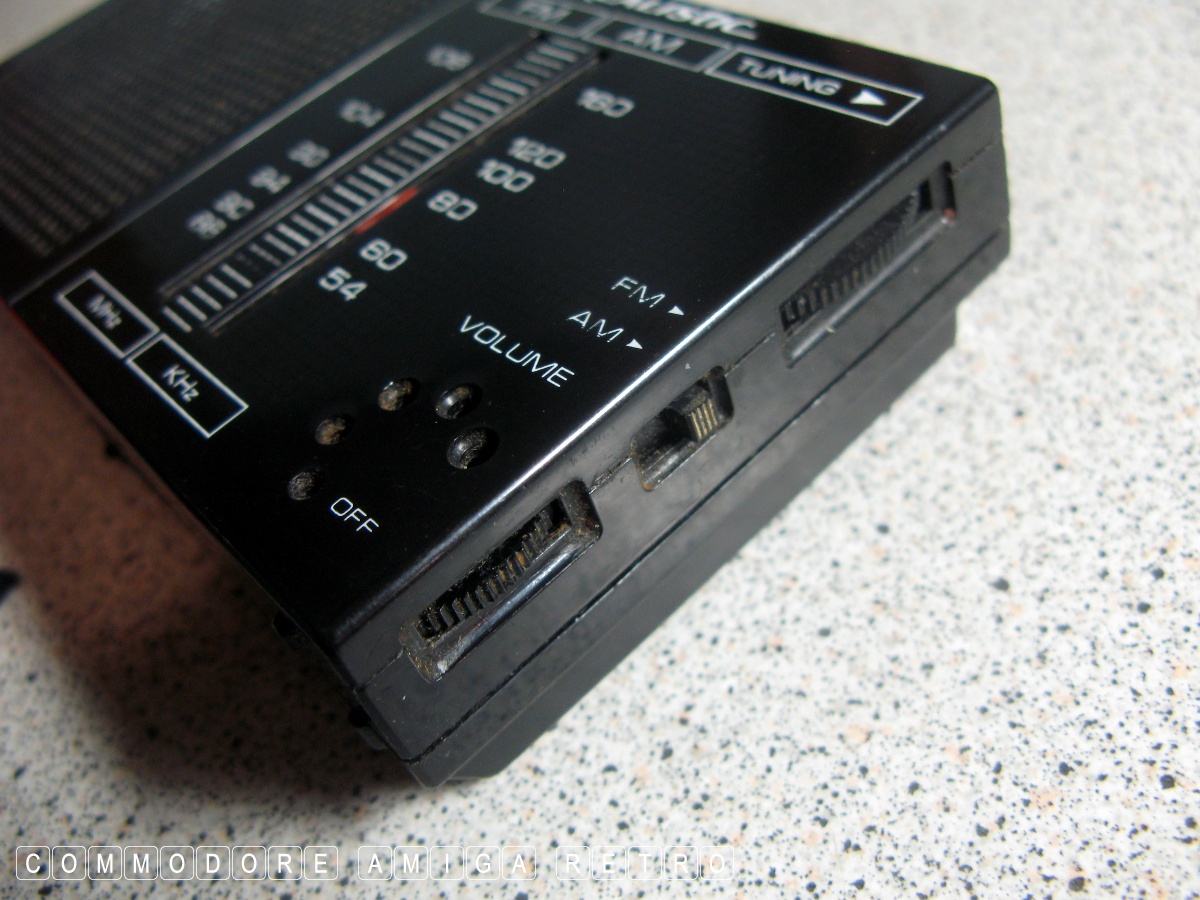
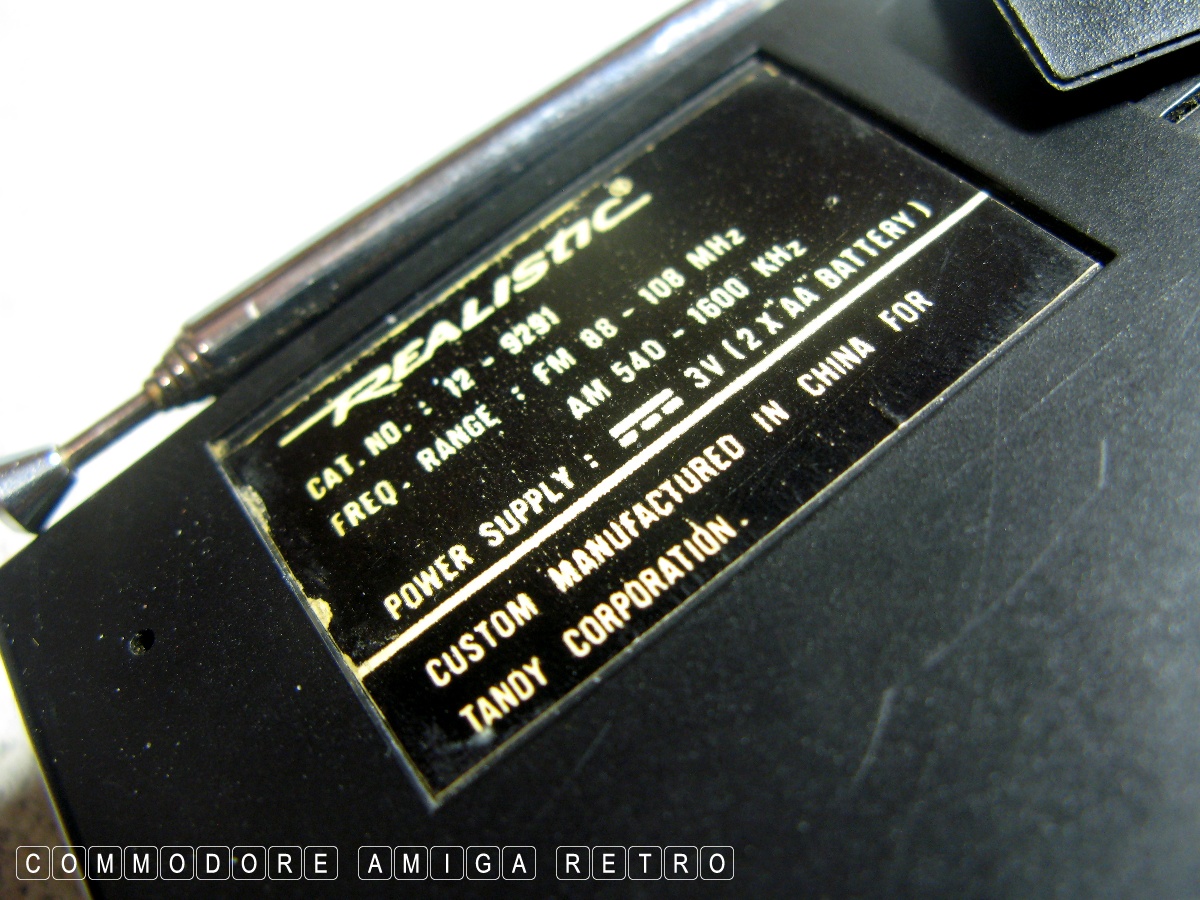
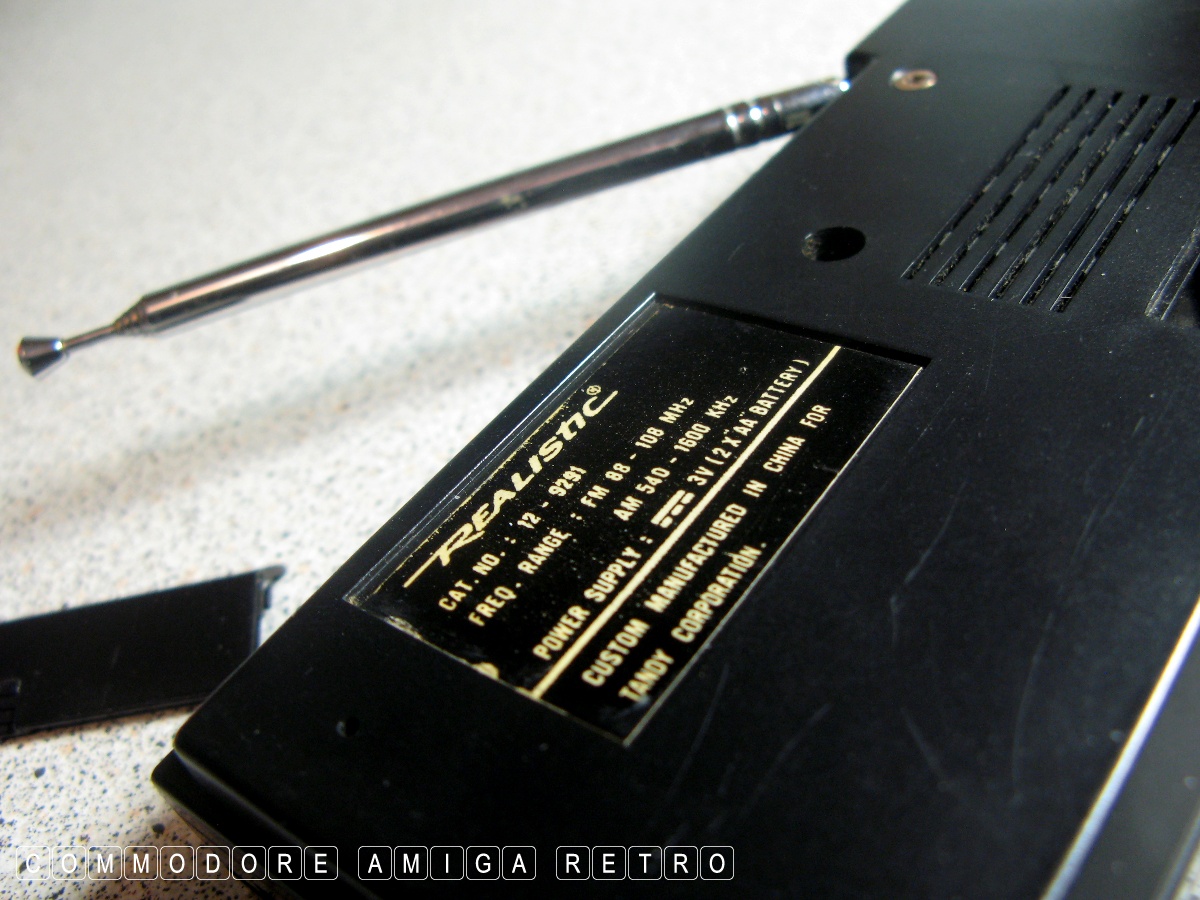
Tandy Realistic 12-9291 - Pocket Radio.
If you read the blog regularly you will know that I have a soft
spot for old transistor radios. For the most part I collect from
the PrinzSound selection of radios and tape machines. Of late I
have been reading up on AM/FM broadcasts with an eye on when they
are likely to cease. As a consequence of this my attention was
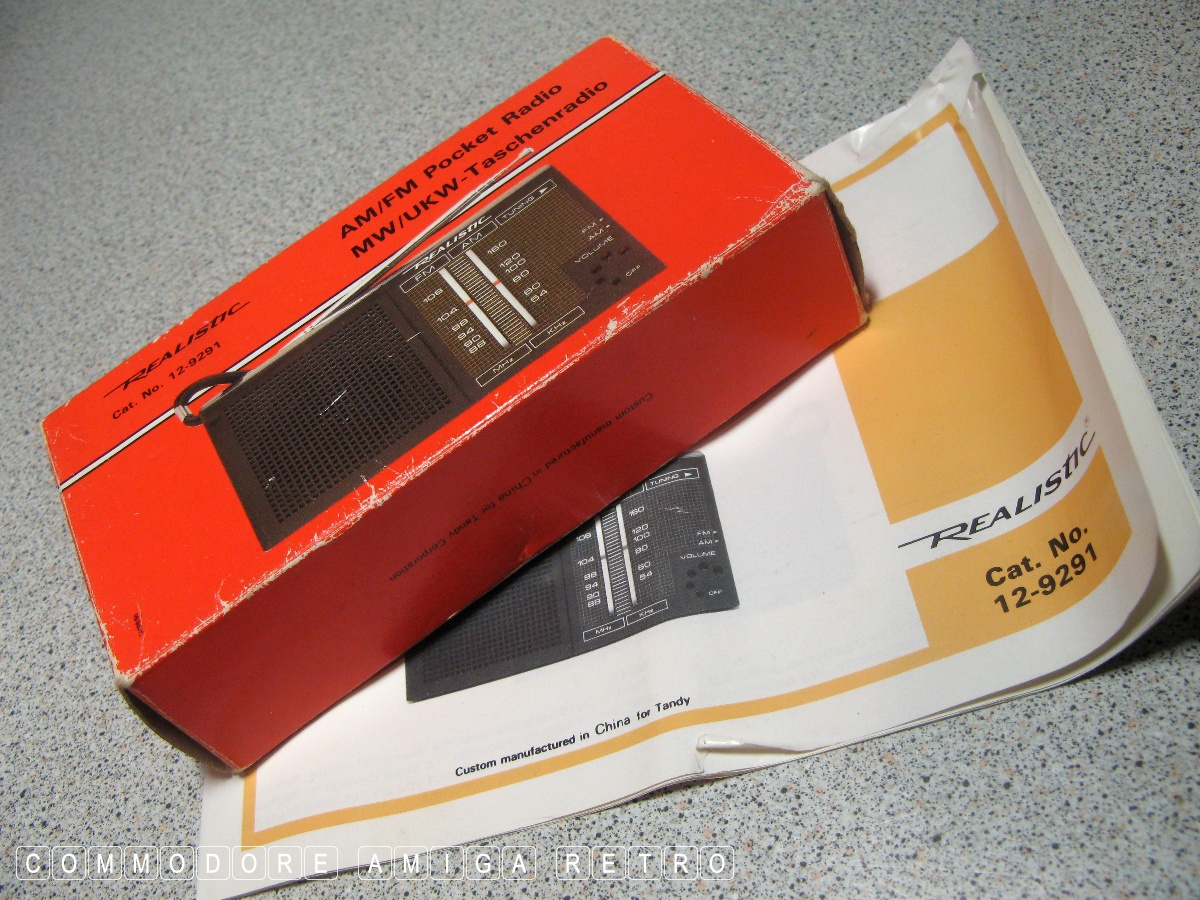
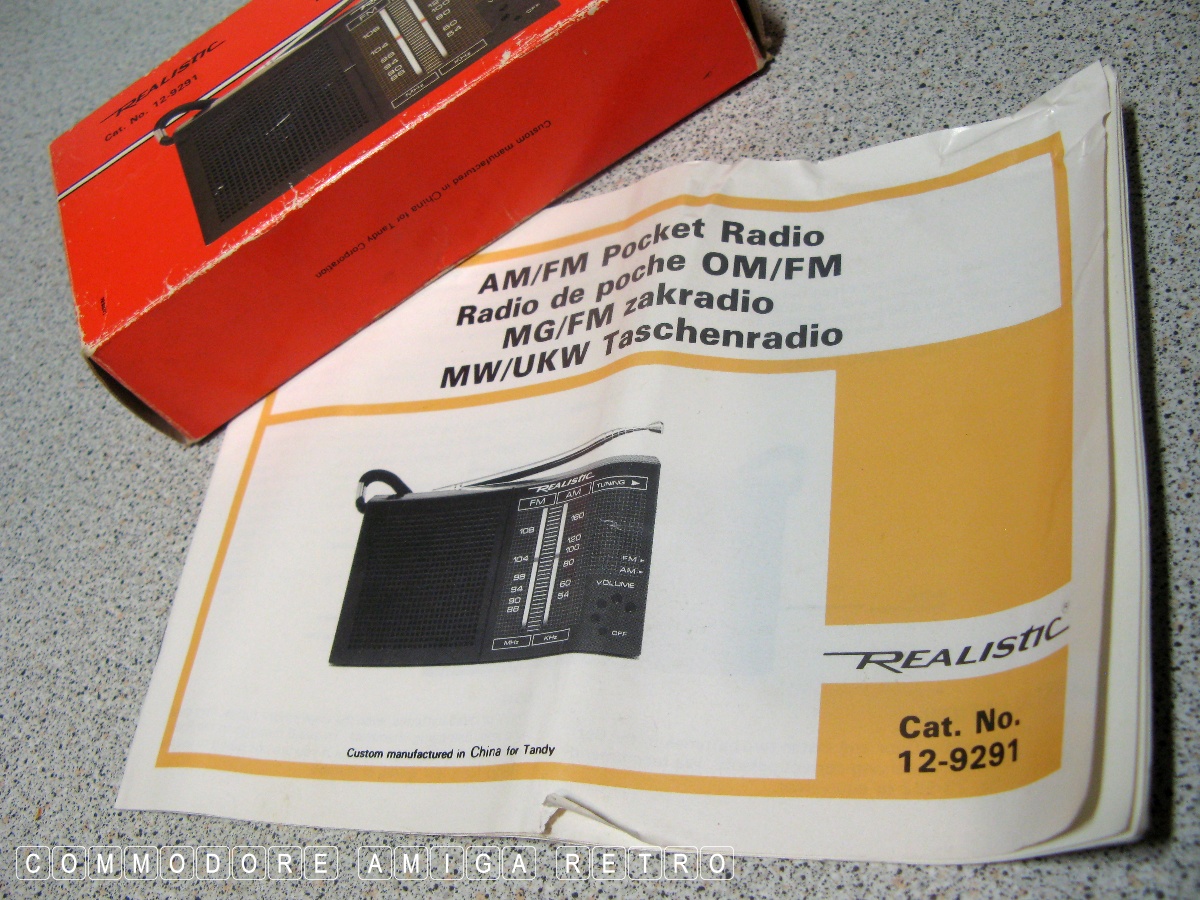
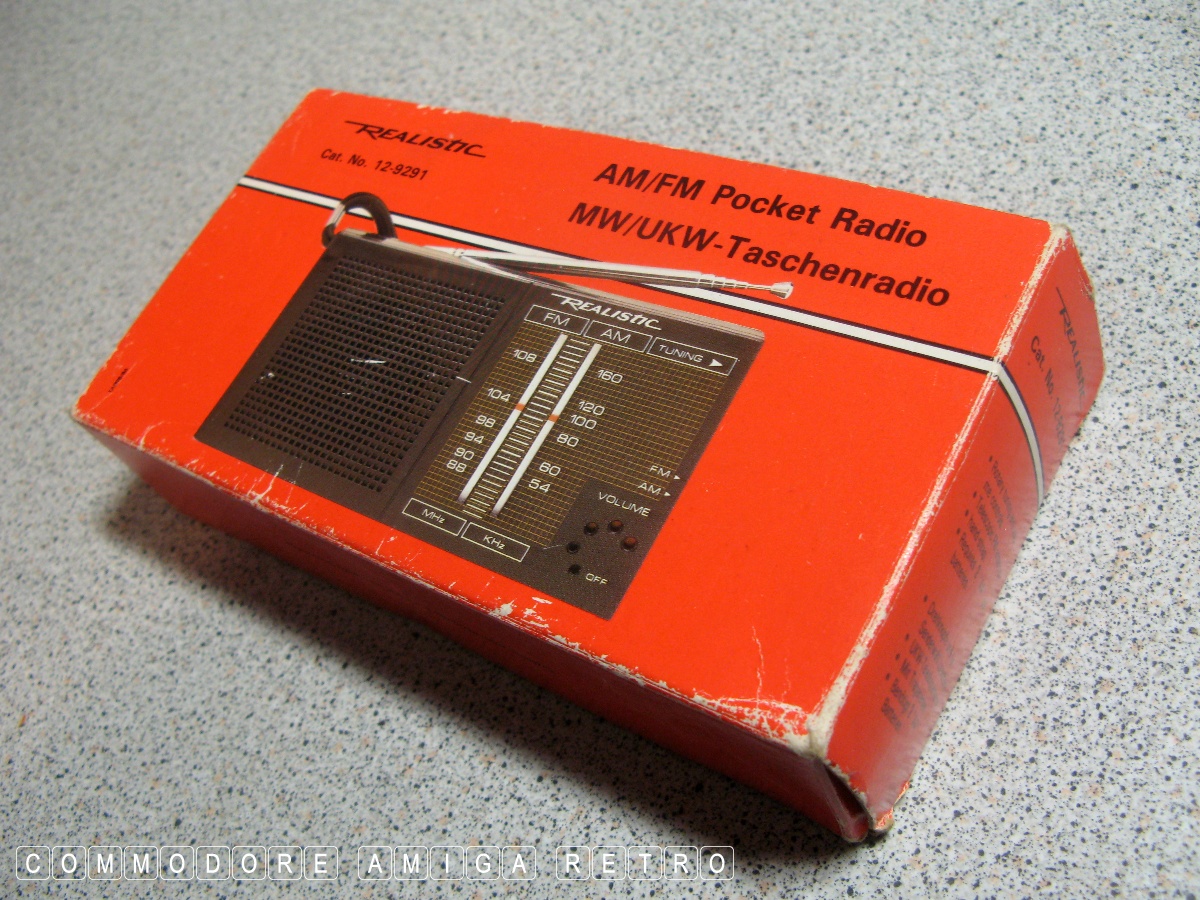
drawn to a box and manual on Ebay for the humble Realistic Pocket
Radio from the mid to late eighties. The auction was just for the
box though the manual was included. I was tempted if only for the
documentation. Realistic is the brand name used by Tandy and I
myself had a few of their hi-fi products in the late seventies.

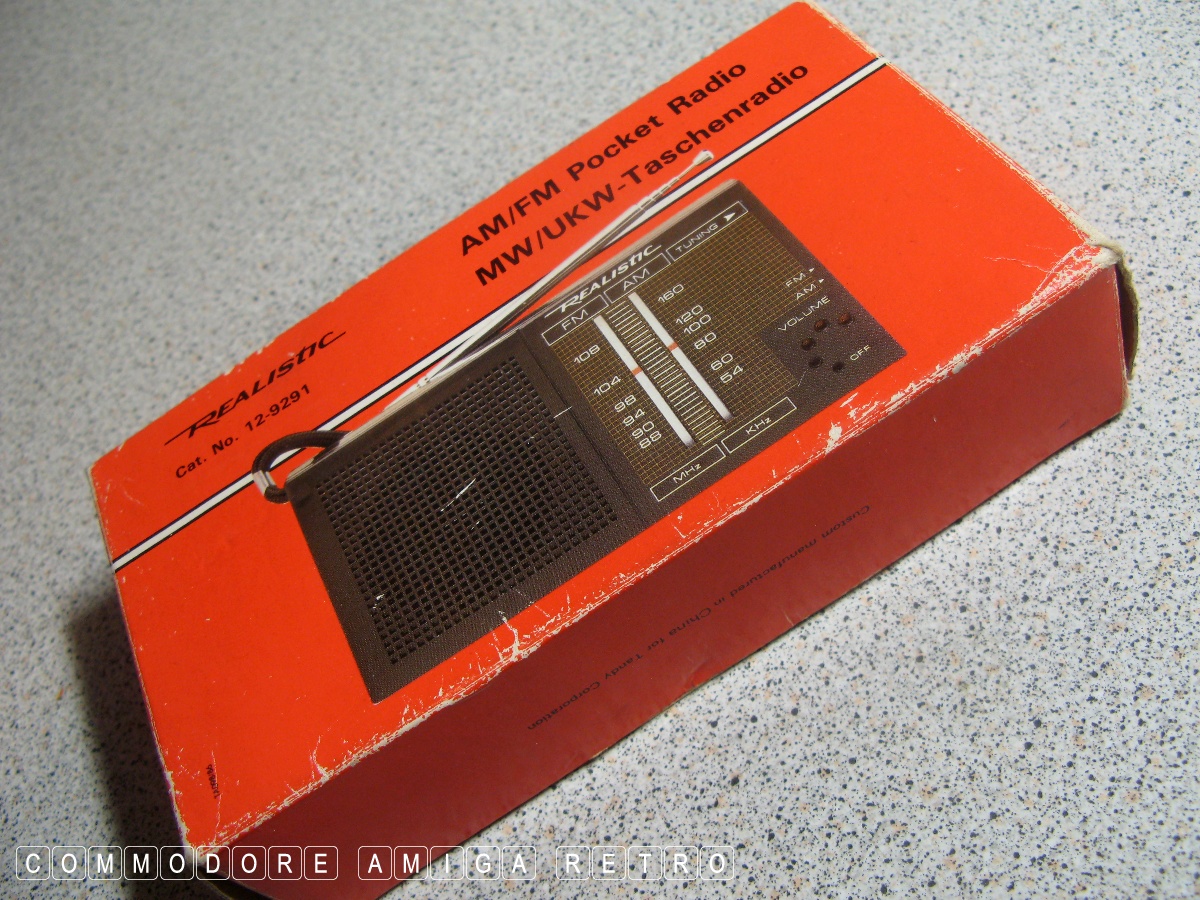
Anyhoo as I pondered over the orange box I discovered to my surprise
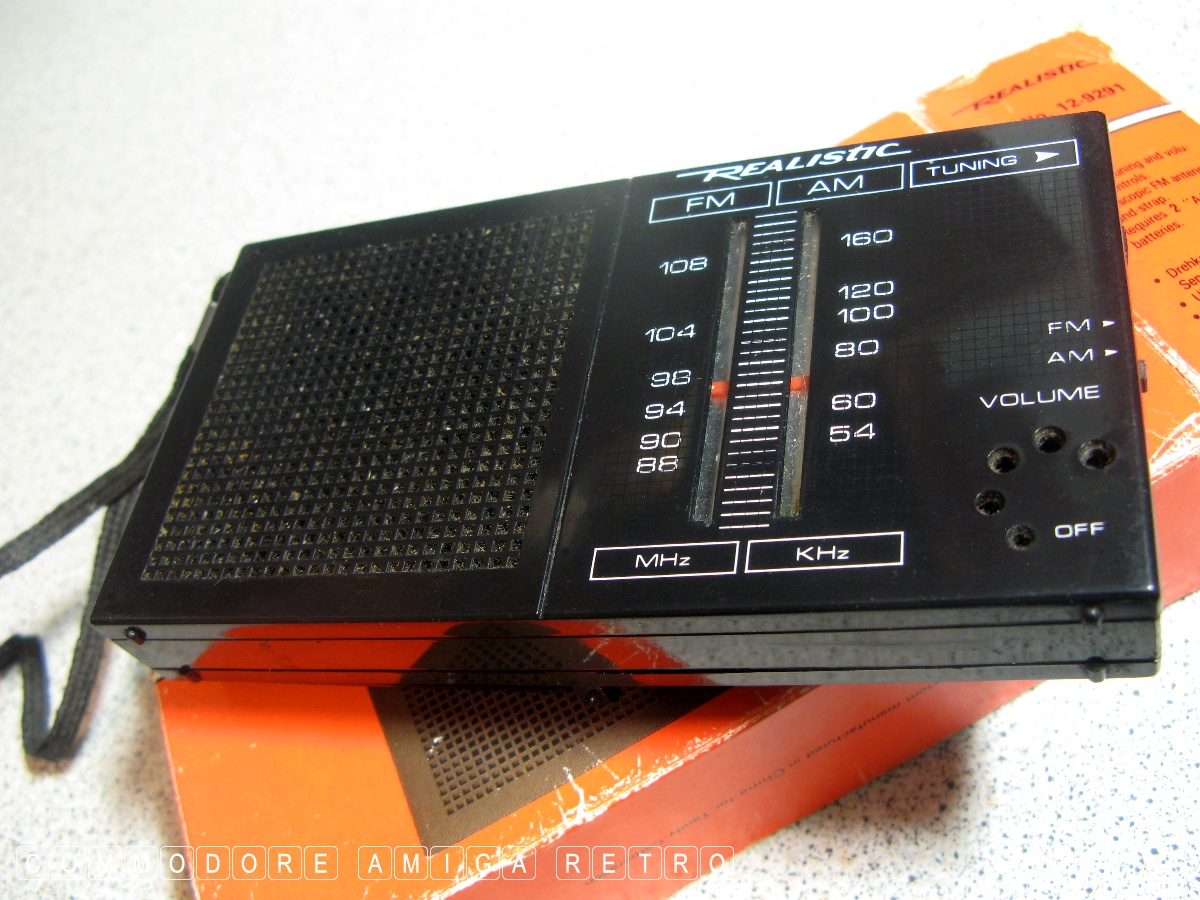
an actual Realistic Pocket Radio for sale, on its own without box.
At first I thought it was the same seller but it was not. Without
much hesitation I bought radio and box and they have safely arrived.
amazingly the radio worked just wonderfully.

The Realistic range was first named Realist back in 1954 but was
renamed to Realistic following a trademark dispute. The Realisic
brand name by Tandy was used extensively for things like receivers,
record players, cassette decks, speakers, and headphones) as well
as communications gear like CB radios (including the popular TRC
and Navaho series), walkie-talkies, and ham radios.

The brand was phased out in the mid nineties.

This is something Google provided in respect of AM and FM frequencies.

AM (Amplitude Modulation) and FM (Frequency Modulation) are two
different ways of encoding sound onto radio waves so it can be
broadcast through the air to a receiver.

How They Work

• AM (Amplitude Modulation): Encodes sound by varying the strength
(amplitude) of the radio wave while keeping its frequency constant.
• FM (Frequency Modulation): Encodes sound by slightly varying the
speed (frequency) of the radio wave while keeping its strength constant.


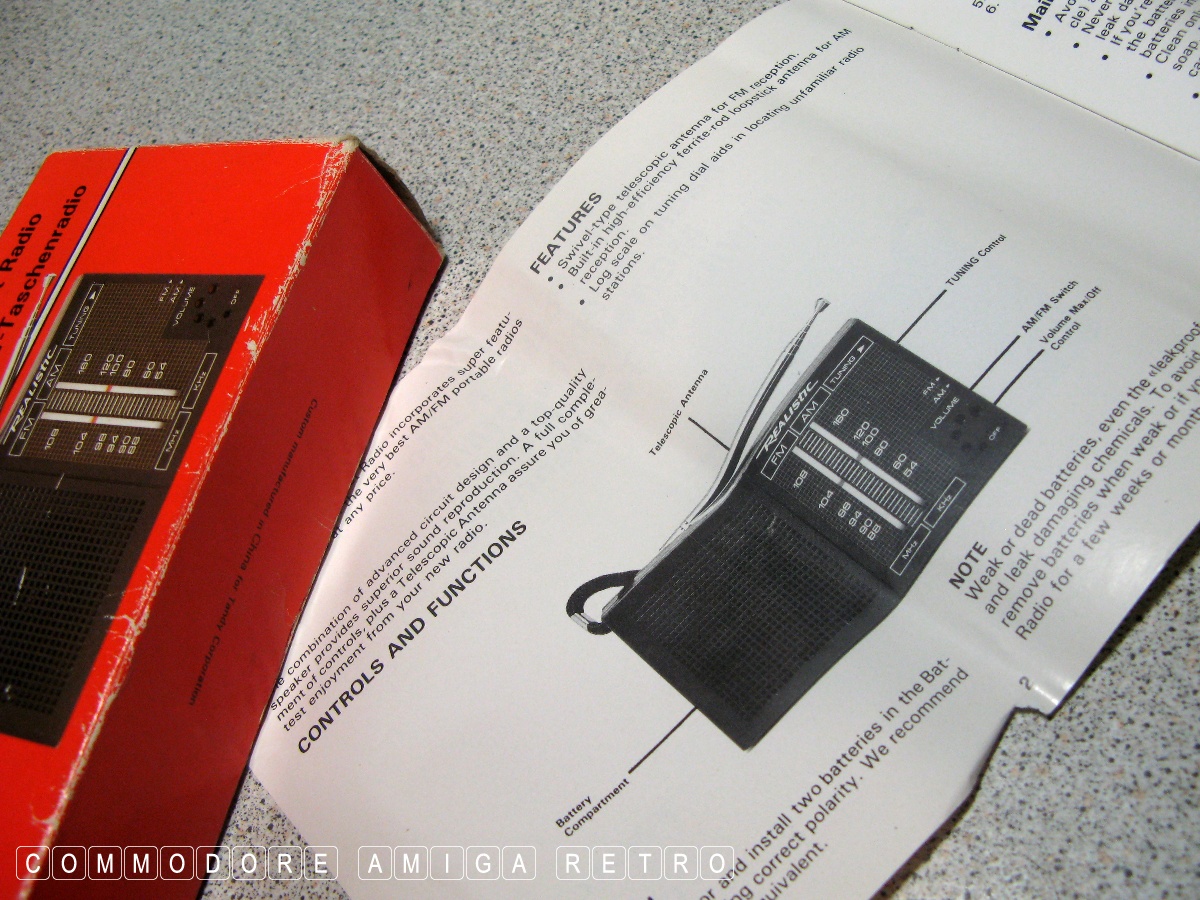
Interestingly the AM on the radio is picked up using a small internal
ferrite rod antenna for sports and events type channels and the FM
external antenna is deigned for the more musically inclined progs.
Remembering that traditional AM and FM signals are completely
analogue.

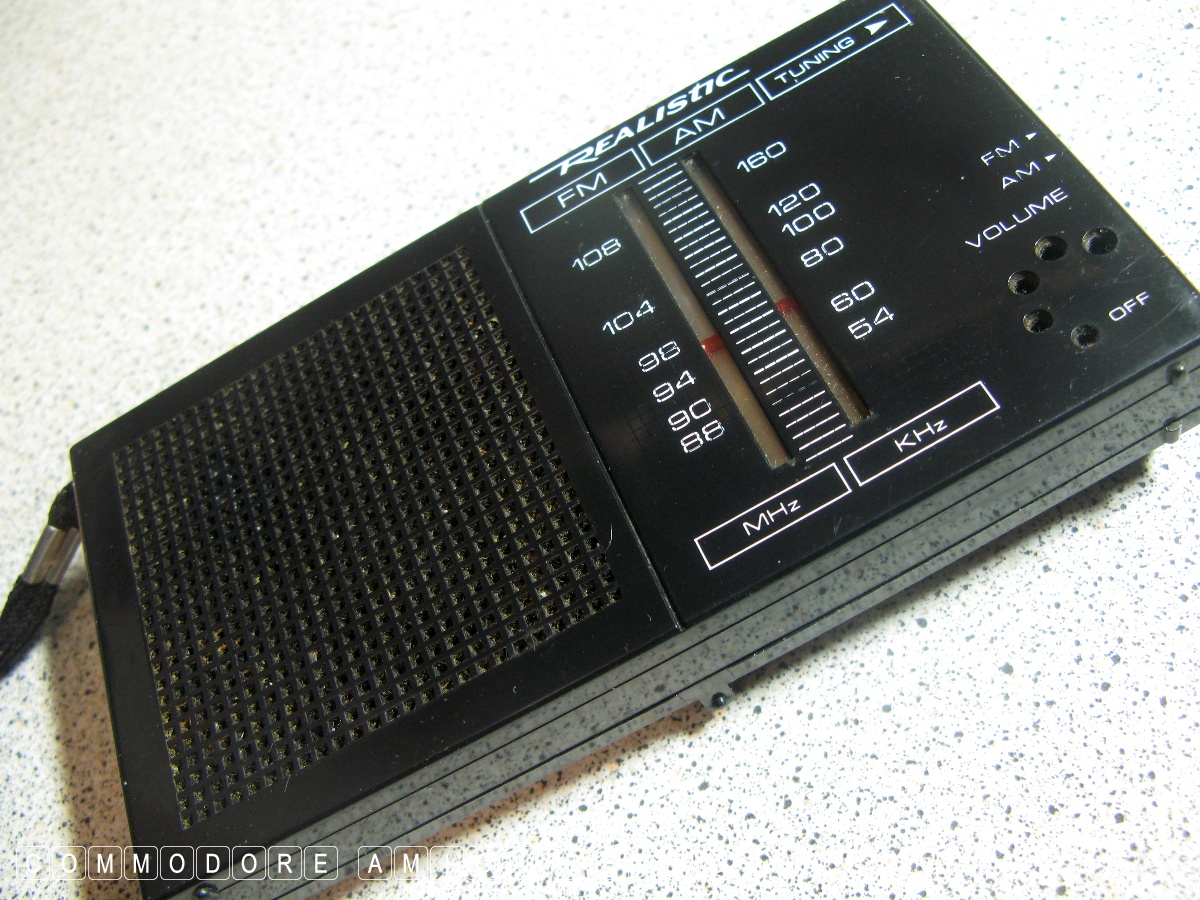
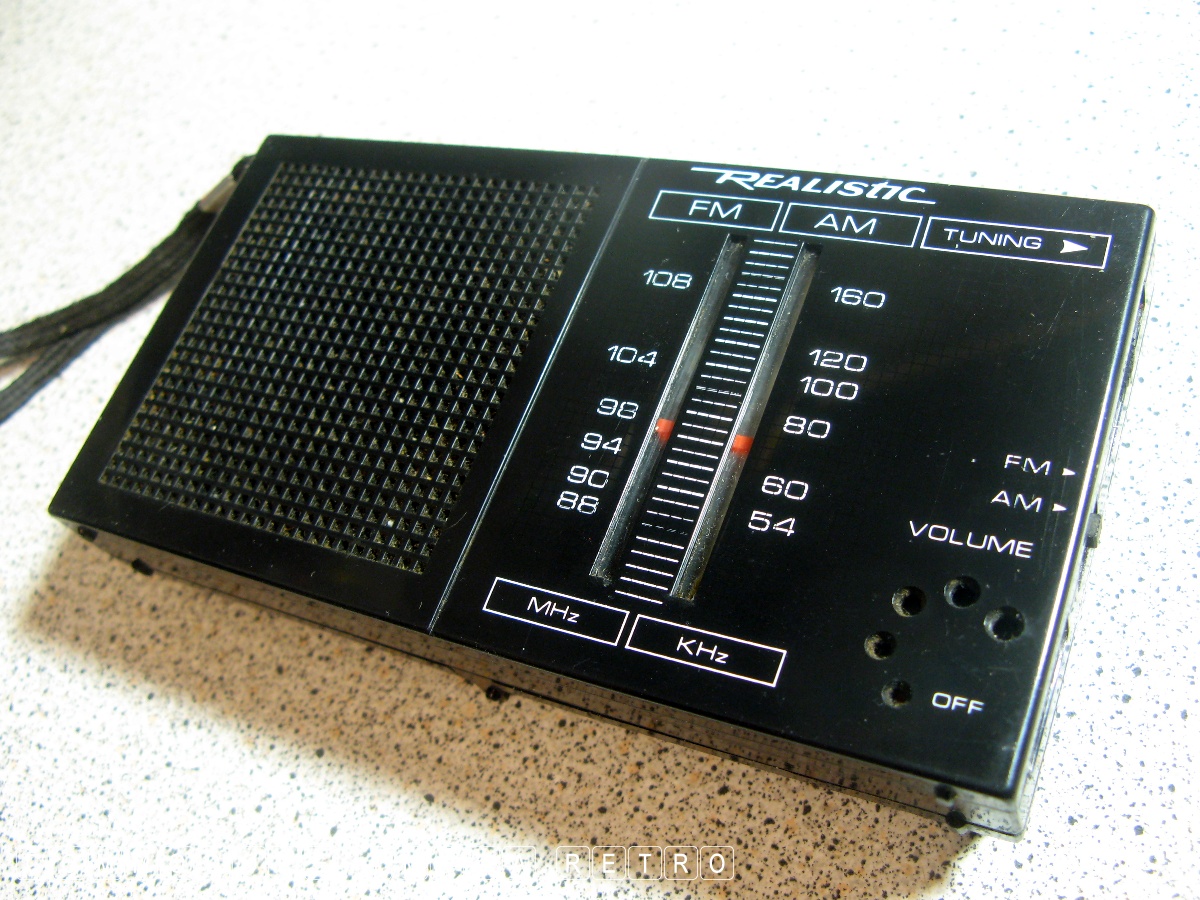
Those numbers on the Realistic 12-9291 represent the radio frequency
ranges (measured in Hertz, or wave cycles per second) that the
radio's tuner can pick up, and analogue AM/FM towers are still
actively broadcasting across the UK today alongside digital systems.
The end of life cycle probably in the early 2030s as equipment
is retired.

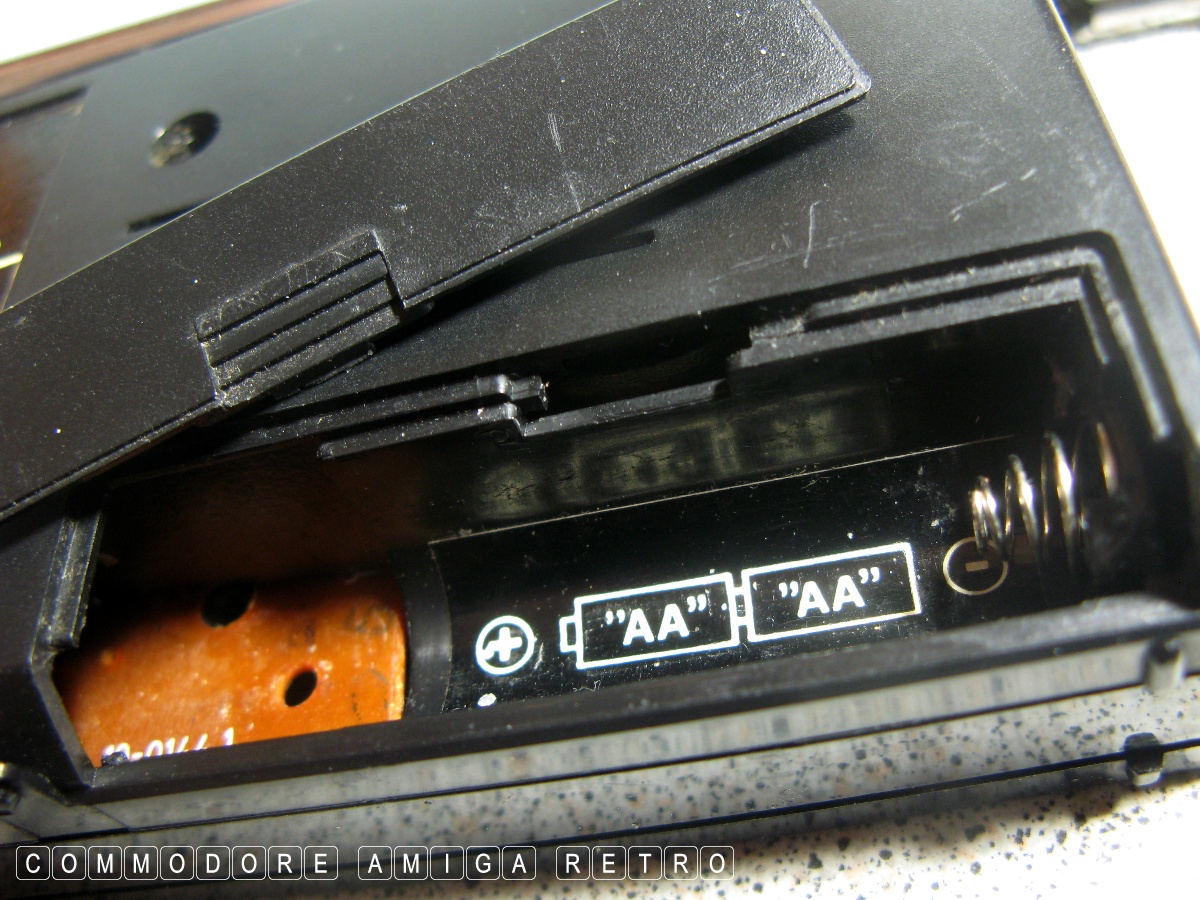
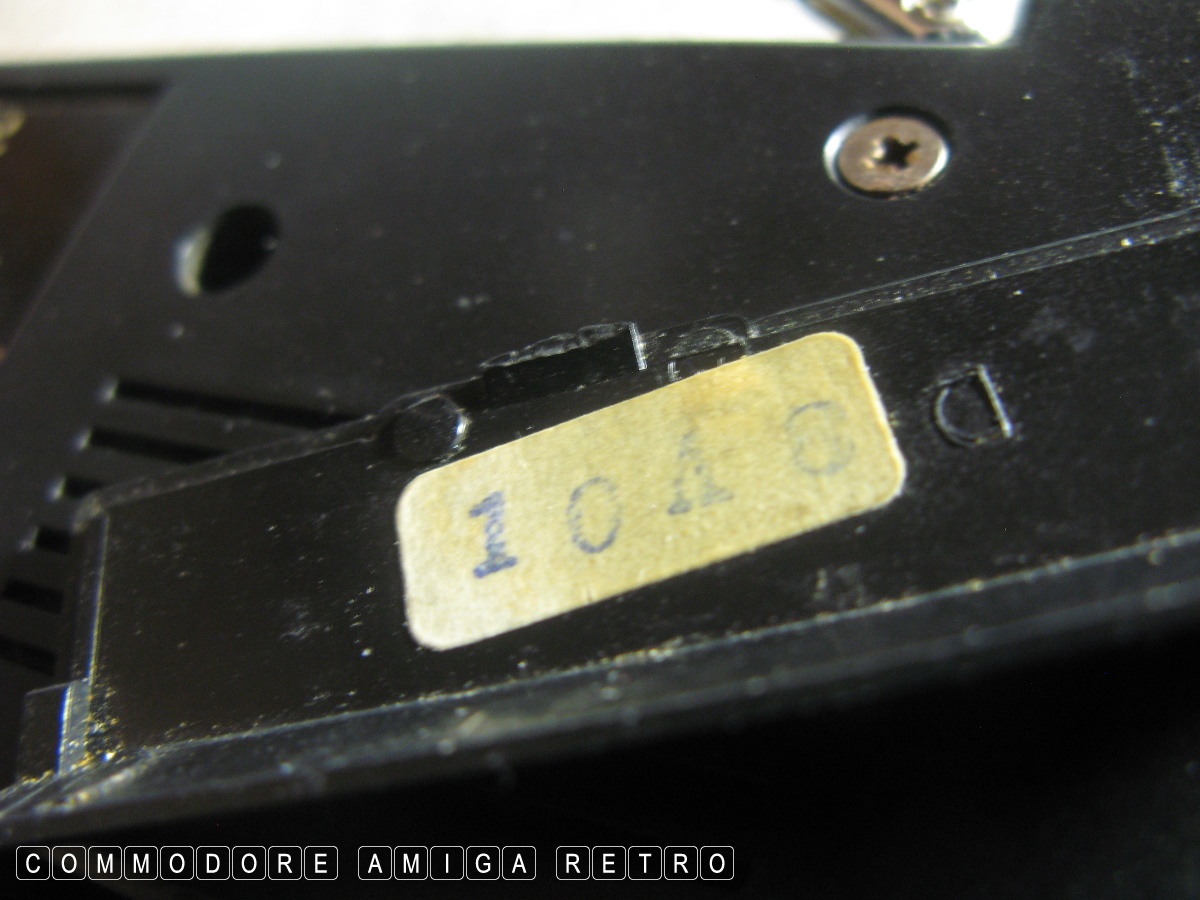
10A8 means the radio was manufactured in October 1988. RadioShack
and Tandy used a simple date-code system stamped on small stickers
inside the battery compartment or on the back of the unit to track
warranties:
• 10 = The month of manufacture (October).
• A = Simply a separator character used to keep the month and year
digits from blending together.
• 8 = The last digit of the year (1988). (Because the code only used
a single digit for the year, collectors confirm the decade using the
manual's print date or catalog archives—which lines up with the 1988
manual.)

The radio is just over 38 years old and still pulling broadcasts
right out of the air.


Thanks to Google for a lot of the information.
Tandy Realistic 12-9291 - Pocket Radio.
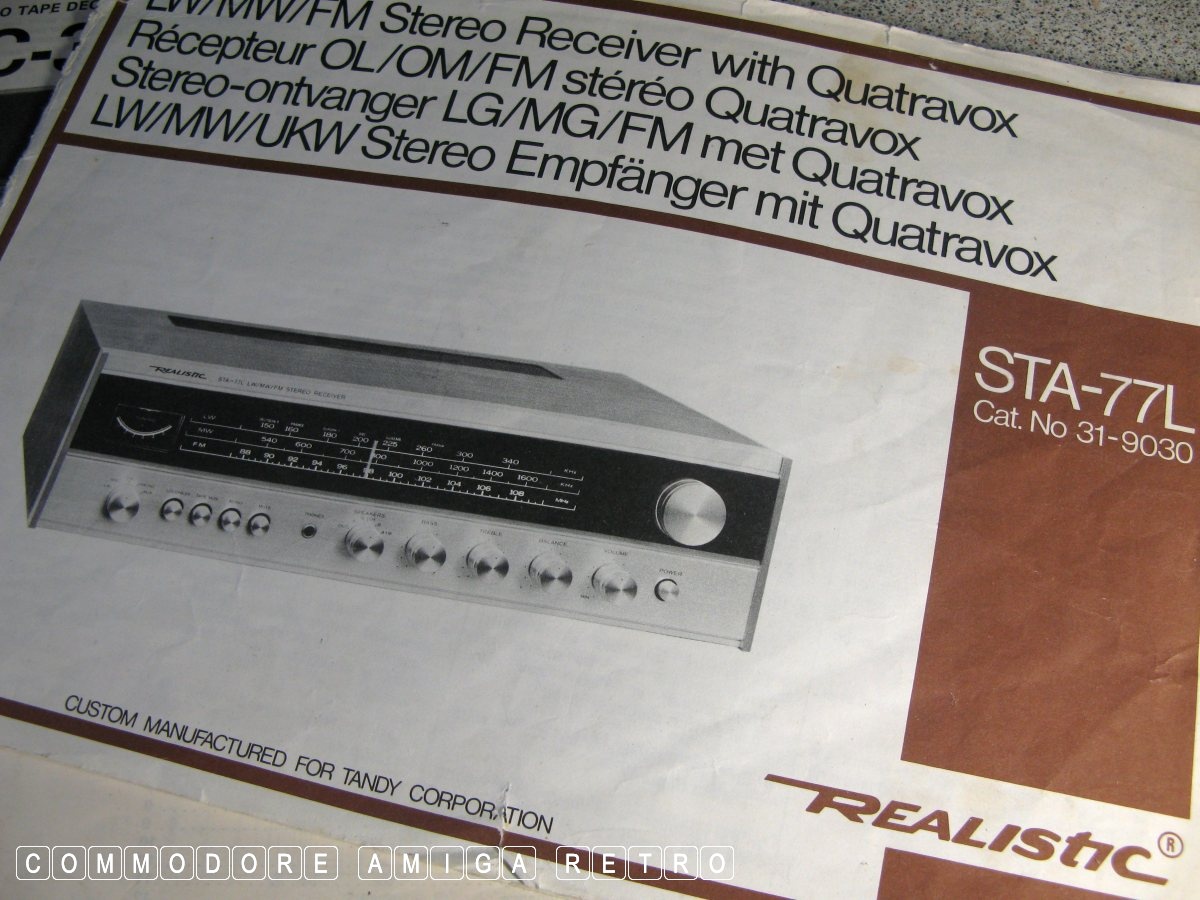
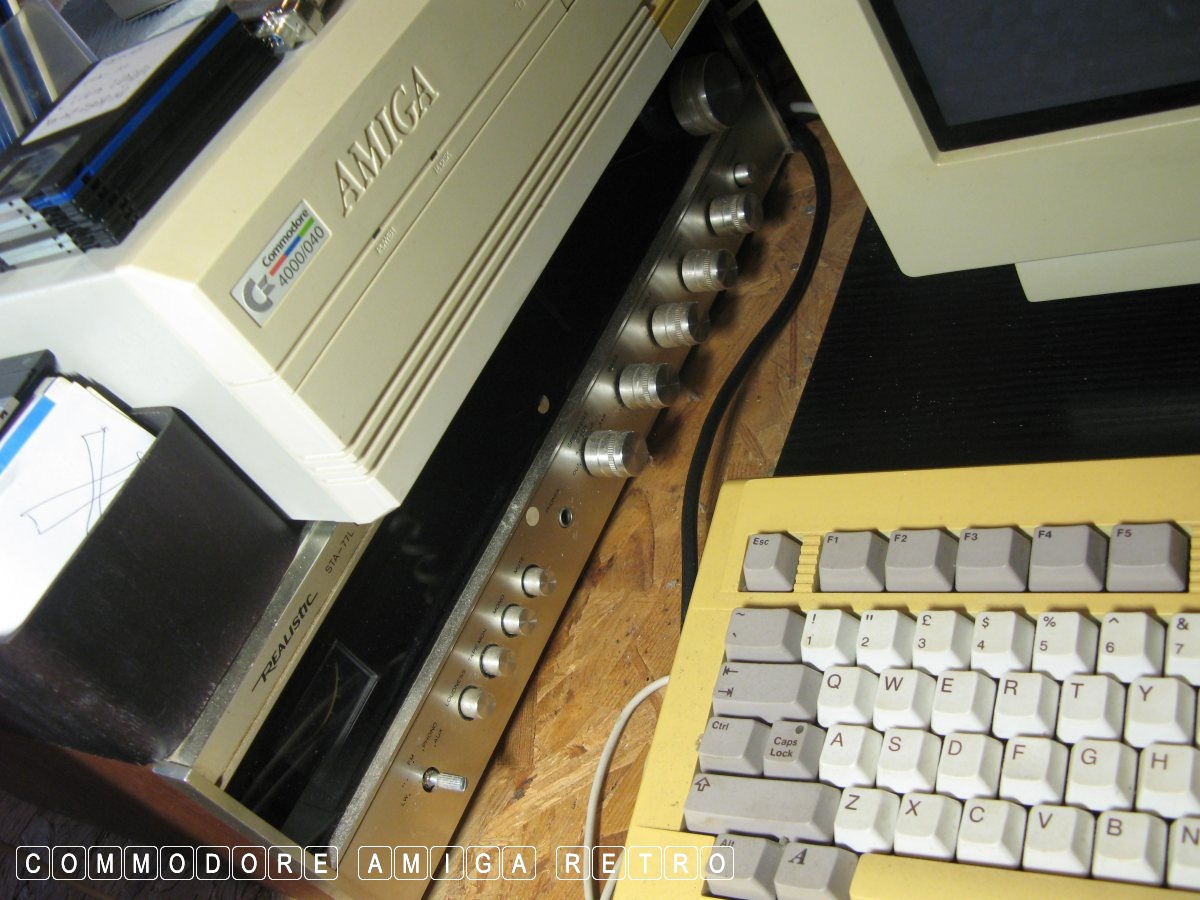
First up my Realistic Amplifier from 1978
|